
A Practical Guide for Short and Tall Users
One of the most common questions Pilates practitioners ask is:
“Can a Pilates reformer really accommodate different heights?”
Whether you’re under 5’2” or over 6’0”, proper reformer adjustment is essential for comfort, safety, and effectiveness. A poorly adjusted reformer can lead to overextension, joint strain, or limited range of motion — especially for taller users.
In this guide, we’ll explain how Pilates reformers adapt to different body heights, what adjustments actually matter, and how to choose a reformer that truly fits your body — not the other way around.
Do Pilates Reformers Accommodate Both Tall and Short Users?
Yes — but not all reformers do this equally well.
A Pilates reformer is designed with adjustability in mind, but the level of accommodation depends on:
Carriage length
Footbar positions
Rope and strap adjustment range
Rail length and stopper settings
For shorter users, poor adjustability often causes:
Difficulty reaching the footbar
Excessive knee flexion
Reduced control during leg work
For taller users, the risks are more serious:
Overextension of knees and hips
Limited range during long-stride exercises
Feeling “compressed” on the carriage
How to Adjust a Pilates Reformer for Height (Step-by-Step)
1. Footbar Position — The First Adjustment to Check
The footbar should allow:
Neutral knee alignment at full extension
No locked joints
Comfortable hip angle
For shorter users
Set the footbar closer to the carriage
Use higher footbar settings if available
For taller users
Choose the furthest footbar setting
Look for reformers with multiple locking angles
👉 A limited footbar range is one of the biggest problems in entry-level reformers.
2. Carriage Travel & Rail Length
This is where many reformers fail tall users.
A longer rail and full-track carriage allow:
Natural stride length
Proper hip extension
Better spinal alignment
If you’re tall and feel “cut off” at the end of a movement, the issue is usually insufficient track length, not your technique.
3. Rope & Strap Adjustments
Ropes should allow:
Equal tension on both sides
Full arm extension without shrugging shoulders
Shorter users often need:
Shortened rope length
Adjustable risers or pulleys
Taller users need:
Long, smoothly adjustable rope systems
No fixed-length limitations
4. Headrest, Shoulder Blocks & Stoppers
Small adjustments make a big difference:
Headrest height affects cervical alignment
Shoulder block spacing impacts comfort for broader frames
Adjustable stoppers prevent overextension for long legs
Pilates Reformer Adjustments for Tall Users — What to Watch Out For
If you’re taller than average, avoid reformers that:
Have short carriages
Offer only 1–2 footbar positions
Are designed strictly for compact home use
Instead, prioritize:
Full-track or extended carriages
Strong frame stability under longer leverage
Studio-level adjustability, even for home use
This is why many tall users feel immediate improvement when switching from compact reformers to full-size adjustable models.
Best Pilates Reformer Features for Different Body Types
For Shorter Users
Multi-position footbar
Adjustable rope system
Compact but responsive carriage
For Taller Users
Long rails and carriage
Wide range footbar settings
Strong frame (maple wood or reinforced aluminum)
A well-designed reformer should adapt to your body, not force you to adapt your movement.
Choosing the Right Pilates Reformer for Your Height (Before You Buy)
If you’re shopping for a reformer, height adjustability should be a top priority, especially if:
Multiple users will share the machine
You’re significantly taller or shorter than average
You practice advanced or long-range exercises
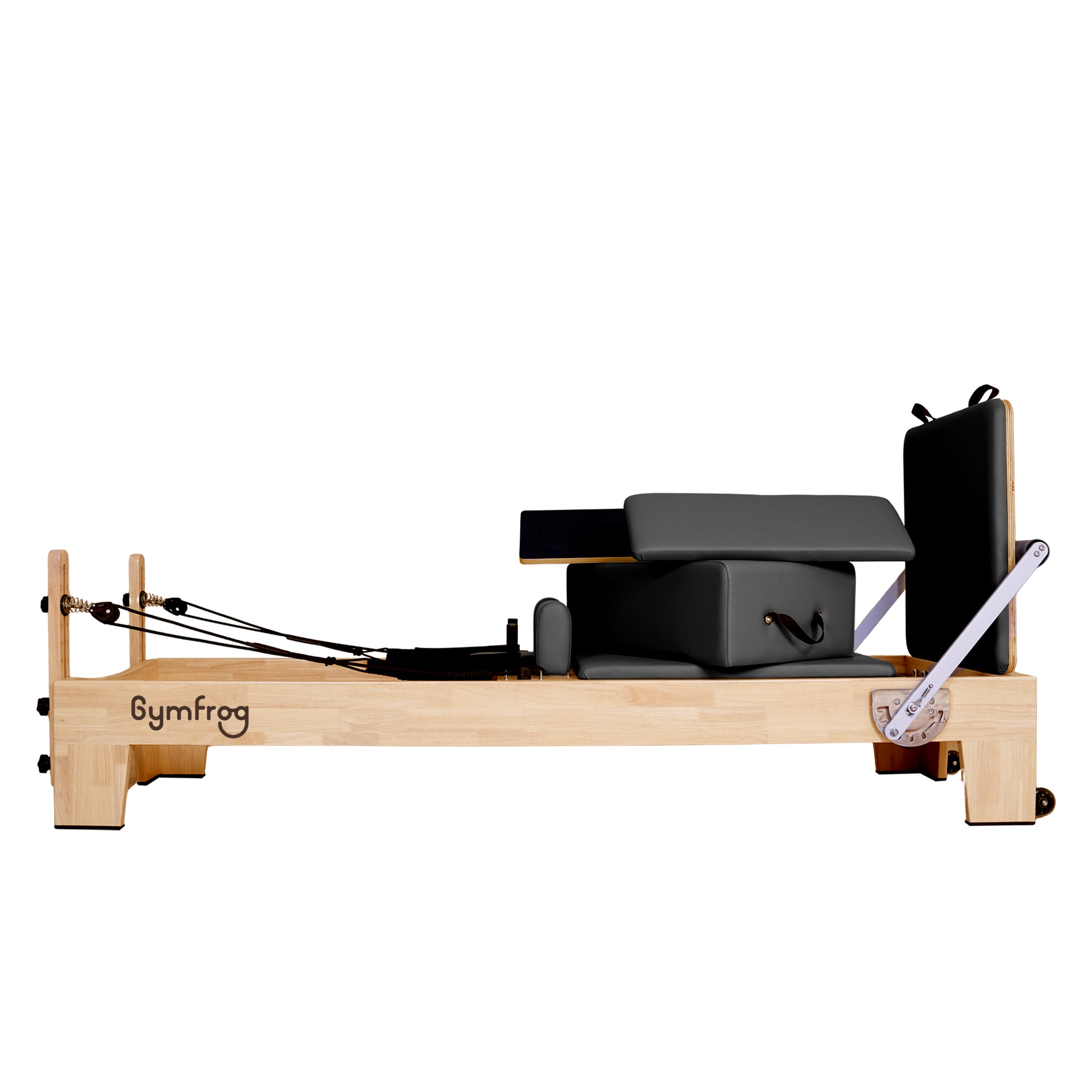
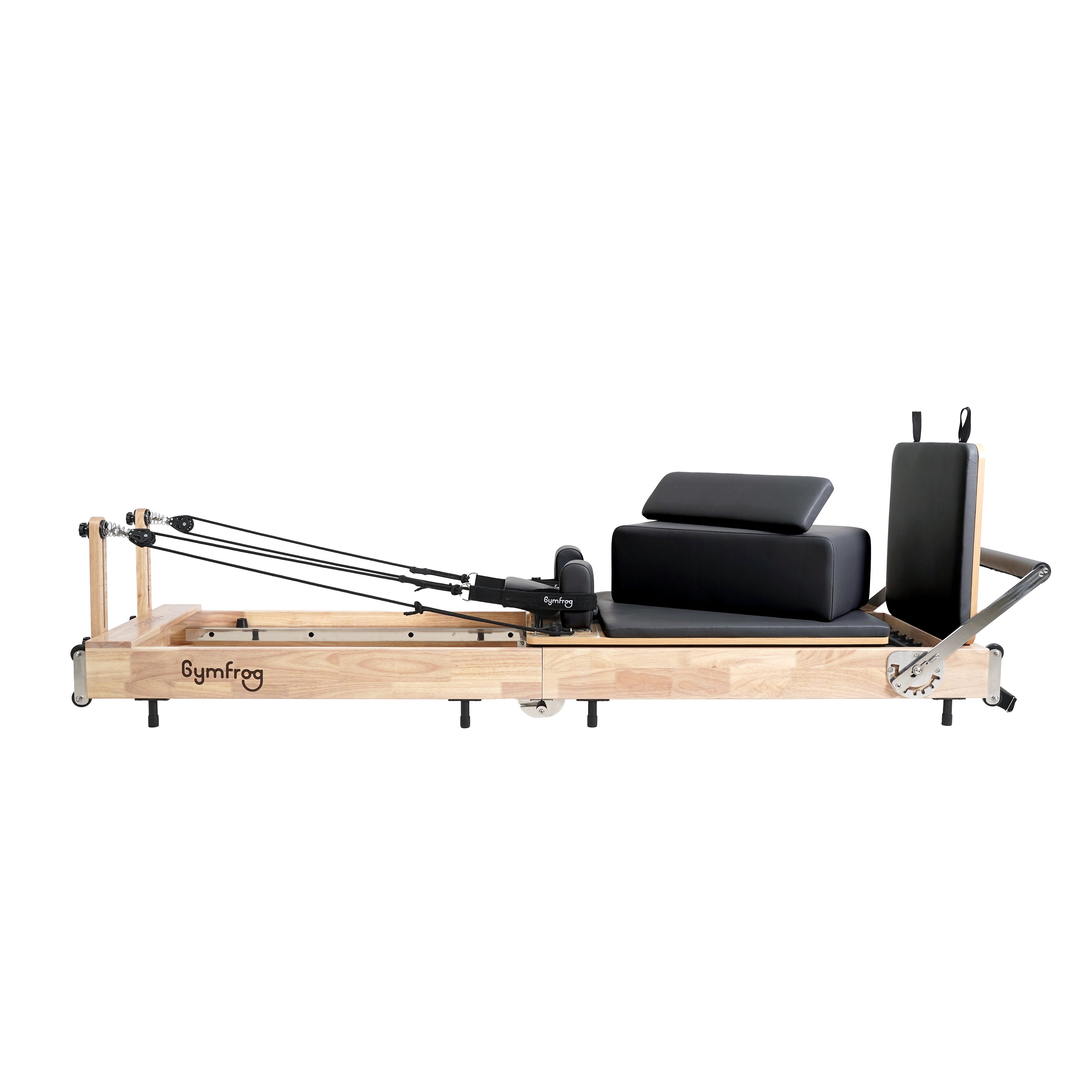
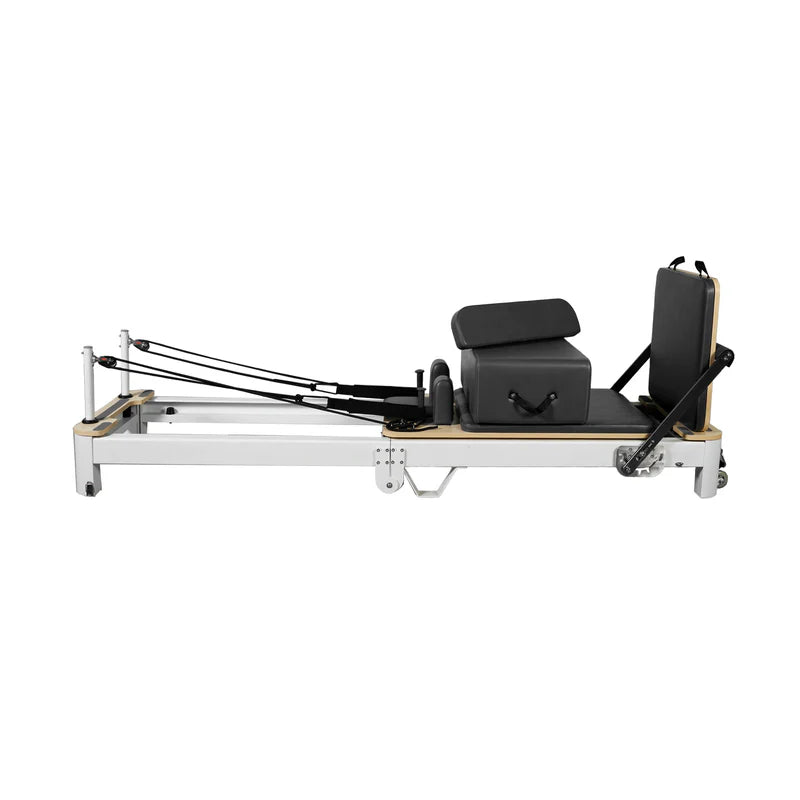
Many modern reformers — including full-track and foldable studio-level models — now combine:
Space-saving design
Professional adjustability
Support for a wide range of body types
This makes it possible to train safely and effectively at home without compromising on fit.
Final Thoughts — Fit Matters More Than You Think
Height is not a limitation in Pilates — poor equipment design is.
With the right adjustments and a reformer built for real human variation, both short and tall users can:
Move more freely
Reduce joint strain
Get better results from every session
Before adjusting your body to the equipment, make sure your Pilates reformer is adjustable enough to fit you properly.

Leave a comment
This site is protected by hCaptcha and the hCaptcha Privacy Policy and Terms of Service apply.