
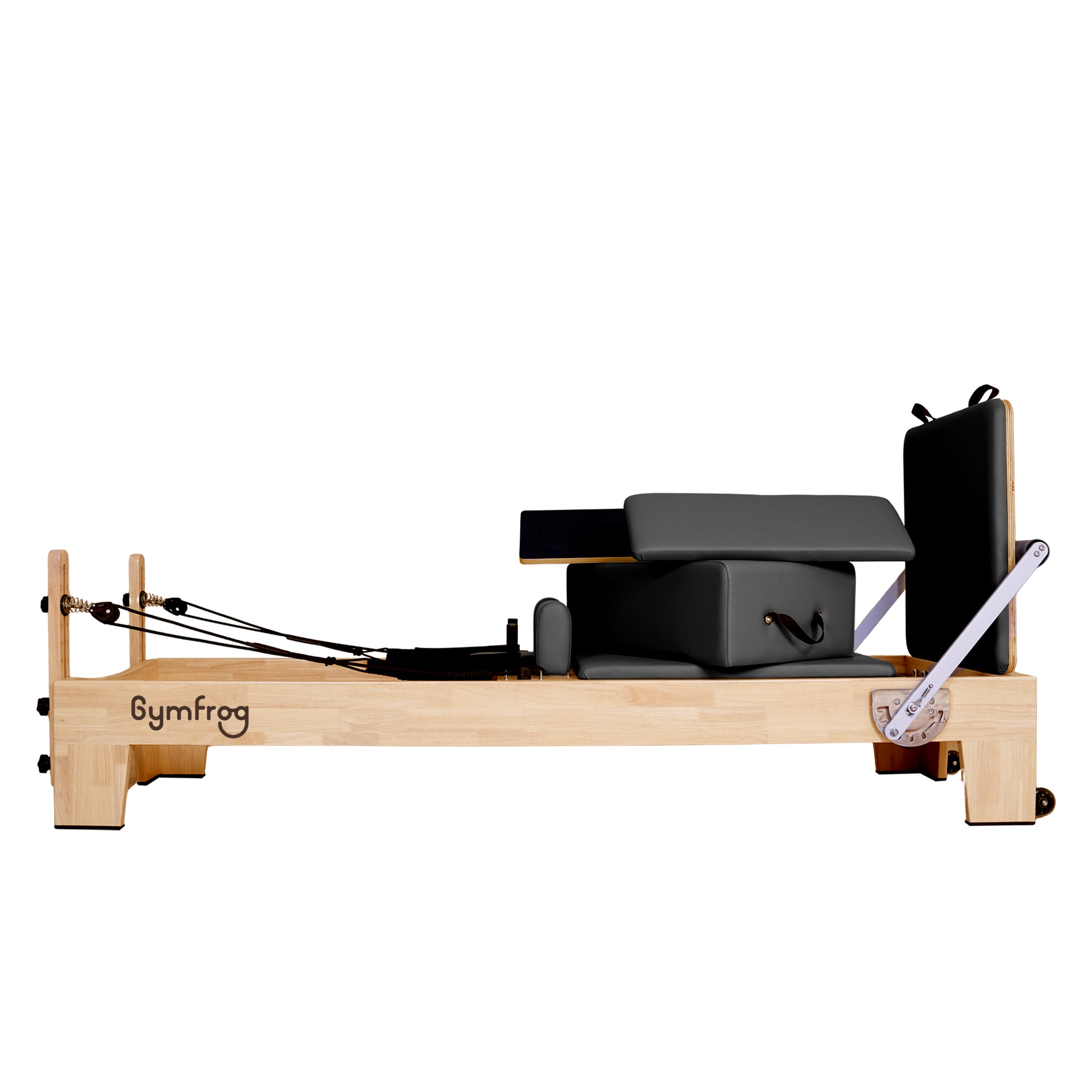
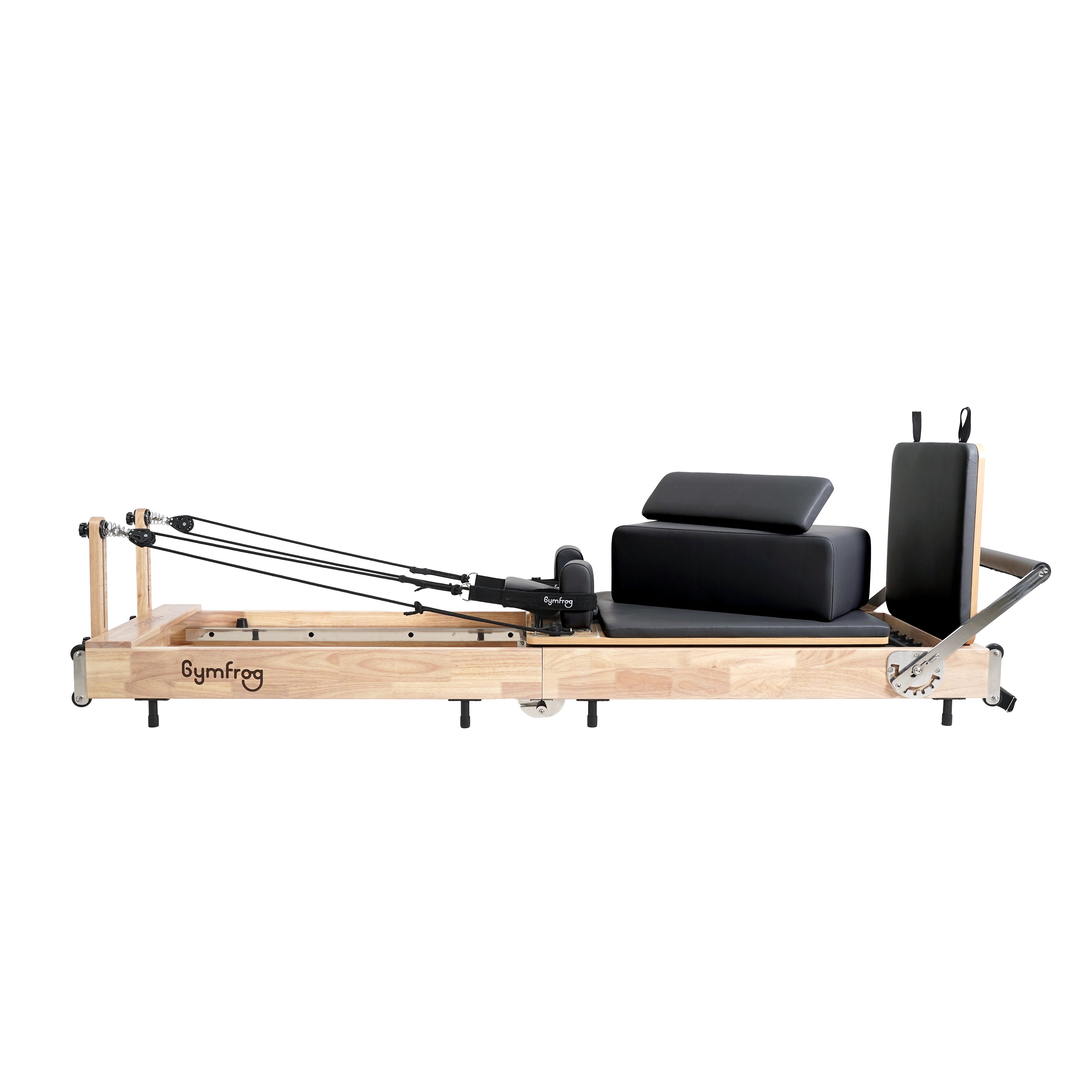
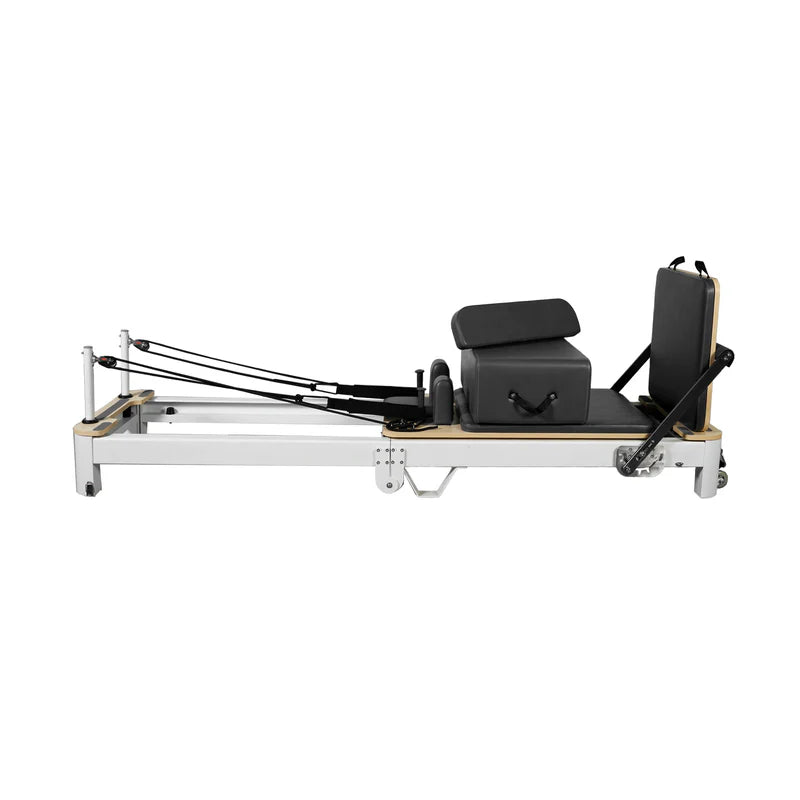
Pilates Reformer training is one of the most effective ways to build a strong, balanced back. With adjustable springs and guided resistance, the Reformer allows you to strengthen the spine safely while improving posture and mobility.
Why Train Your Back on a Pilates Reformer?
- Balanced muscle development: Springs create controlled resistance for even strengthening.
- Better posture: Improve shoulder stability and upper-back strength.
- Lower-back support: Strengthen the deep core to reduce back pain.
- Increased mobility: Safely practice spinal flexion, extension, and rotation.
Effective Pilates Reformer Back Exercises
1. Mid-Back Series
A foundational Reformer series focused on scapular control and upper-back strength.
Includes:
- Rowing
- Hug-a-Tree
- Salute
- Reverse Expansion
2. Pulling Straps & T-Straps
Targets the mid-back and posterior shoulders while strengthening spinal extensors.
3. Short Box Series
A complete spinal conditioning routine that strengthens the core and supports lower-back stability.
4. Reverse Knee Stretches
Builds deep core activation, reducing pressure on the lower back.
5. Swan on the Reformer
A dynamic extension exercise that strengthens the thoracic spine.
Recommended Pilates Equipment for Back Work
Safety Tips for Reformer Back Training
- Maintain a neutral spine unless the exercise calls for movement.
- Engage your core before moving.
- Keep shoulders stable and avoid shrugging.
- Start with lighter springs to learn correct form.
Pilates Reformer back exercises are ideal for building a strong, mobile, and pain-free spine. With consistent practice, you can improve posture, strengthen your entire back, and enhance overall movement quality.

Leave a comment
This site is protected by hCaptcha and the hCaptcha Privacy Policy and Terms of Service apply.