
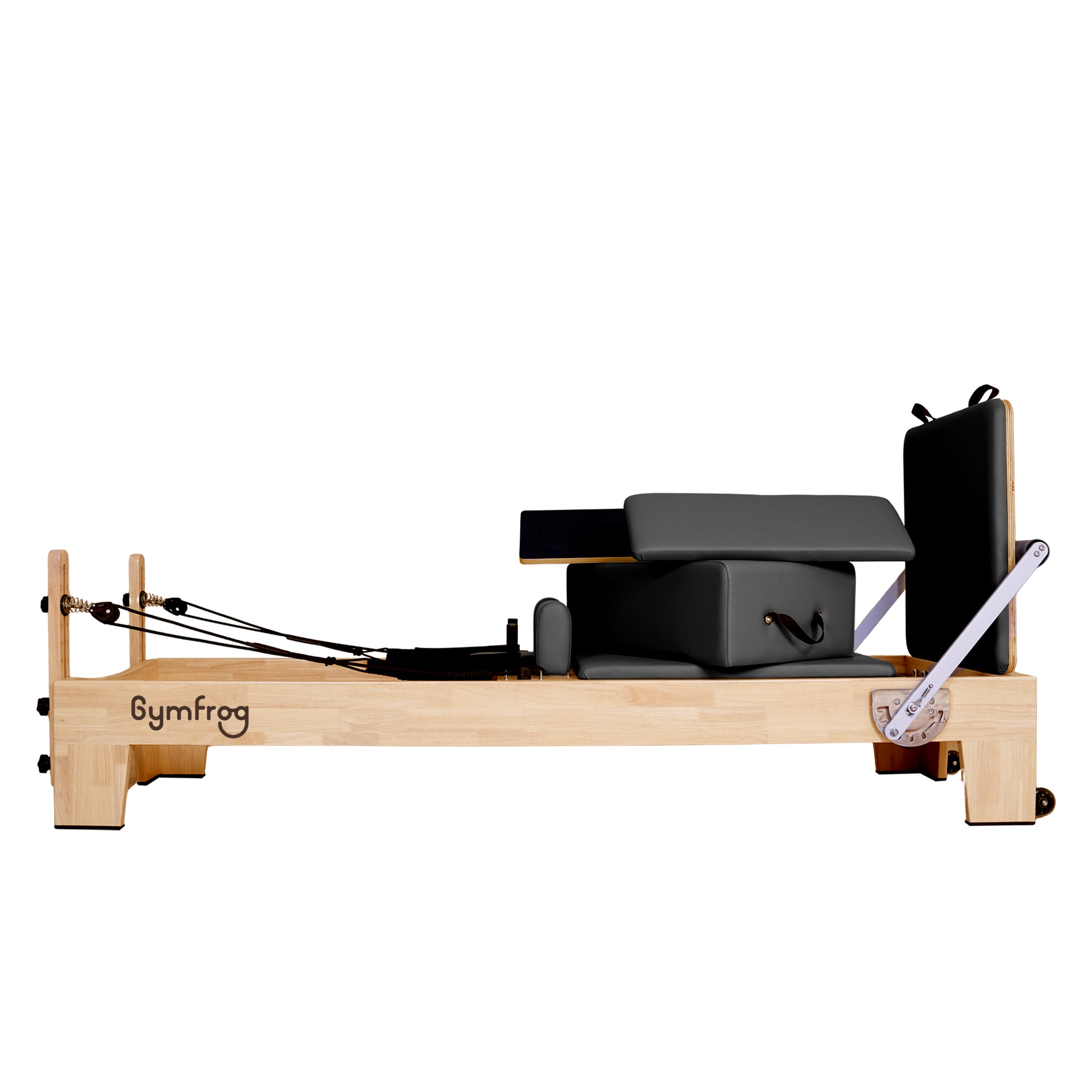
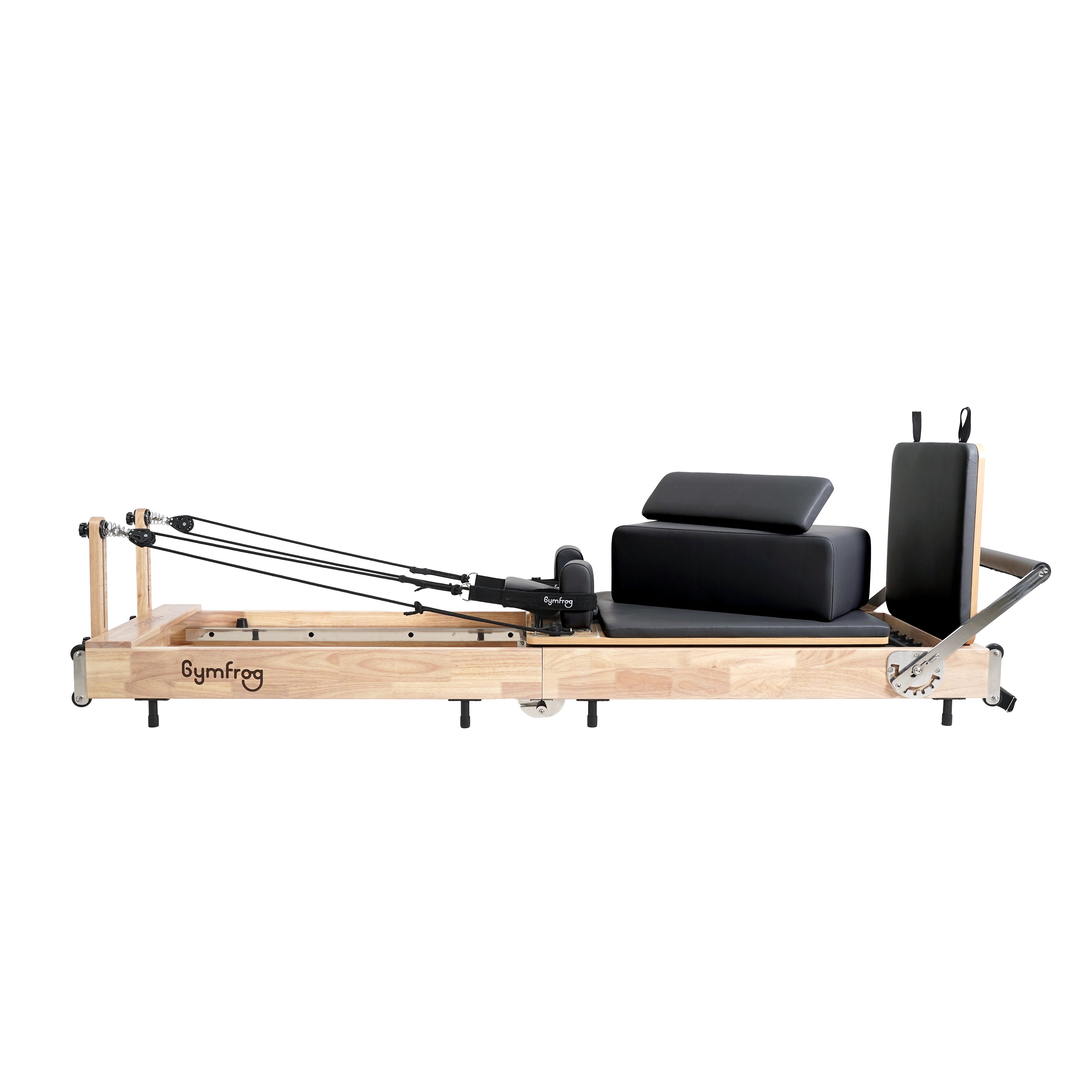
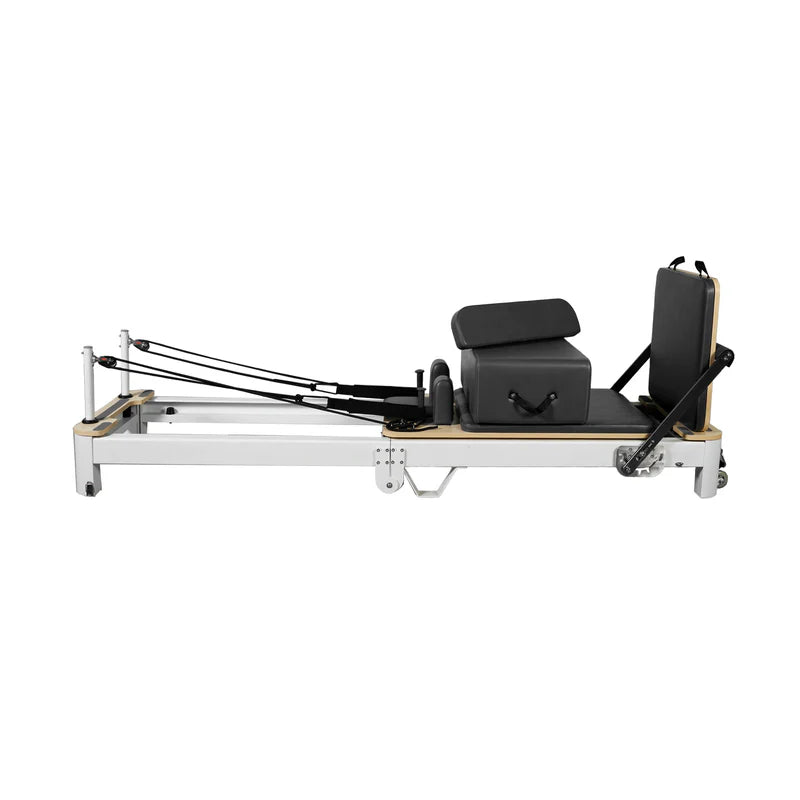
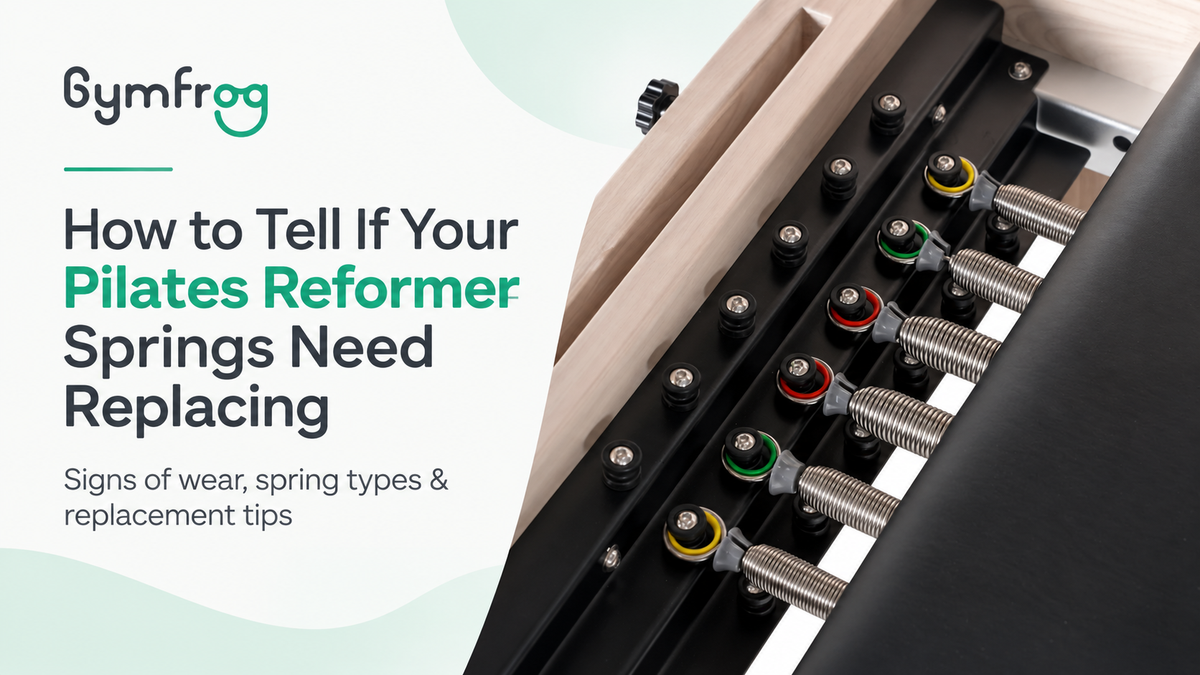
Your Pilates reformer springs are one of the most important components of your equipment.
They determine:
- resistance level
- movement control
- exercise feel
- carriage return
- overall training experience
Because springs repeatedly stretch and contract during every workout, they are designed as wear components. Over time, repeated loading cycles can affect their elasticity, appearance, and performance.
However, many users ask the same question:
How do I know when my Pilates reformer springs need replacing?
The answer is not simply based on how many years you have owned your reformer.
A spring used occasionally in a home environment experiences very different conditions from a spring used every day in a professional studio.
Instead of replacing springs only based on time, you should evaluate:
- spring condition
- usage frequency
- resistance consistency
- attachment points
- corrosion
- deformation
- changes in movement feel
At Gymfrog, we recommend replacing reformer springs based on actual condition and usage, rather than applying one fixed replacement schedule to every user.
How Often Should Pilates Reformer Springs Be Replaced?
There is no universal replacement period that applies to every Pilates reformer spring.
The service life of a spring depends on several factors:
Usage Frequency
A reformer used several times per week at home experiences fewer loading cycles than equipment used continuously in a Pilates studio.
Every stretch and return movement contributes to the total cycle count of the spring.
Training Intensity
Higher resistance settings and frequent high-load exercises place more demand on spring components.
A spring used near its normal operating range under regular conditions will perform differently from one repeatedly exposed to excessive loading.
Storage Environment
Environmental conditions can also affect spring performance.
Important factors include:
- humidity
- moisture exposure
- sweat contact
- storage ventilation
- cleaning habits
Proper maintenance helps reduce unnecessary corrosion and wear.
Spring Material and Manufacturing Quality
Not all reformer springs are made from the same material.
The material, manufacturing process, and heat treatment influence:
- fatigue resistance
- elasticity
- spring feel
- long-term durability
A premium spring system may maintain a more consistent resistance feel over a higher number of cycles.
Physical Condition
The most important factor is what the spring looks like and how it performs today.
A spring showing:
- deformation
- damaged hooks
- corrosion
- unusual stretching
- inconsistent resistance
should be inspected before continued use.
Quick Pilates Reformer Spring Replacement Checklist
Use this checklist to decide whether your spring needs further inspection.
| What You Notice | What It May Mean | Recommended Action |
|---|---|---|
| Bent or distorted coils | Spring shape has changed | Replace the spring |
| Visible cracks or damaged ends | Attachment safety may be affected | Stop using and replace |
| Heavy corrosion or rust damage | Material condition may be compromised | Replace |
| One spring feels weaker than others | Possible fatigue or damage | Inspect |
| Spring length looks different from matching springs | Possible permanent deformation | Inspect |
| New spring noise combined with visible damage | Possible abnormal condition | Inspect or replace |
| Damaged spring holder | Spring positioning may be affected | Replace holder/component |
| Normal appearance but different resistance | Check setup before replacement | Verify configuration |
A spring does not need to look completely broken before it requires attention.
Small changes in shape, attachment, or resistance can be early warning signs.
7 Signs Your Pilates Reformer Springs May Need Replacing
1. The Spring Shape Has Changed
A healthy spring should maintain a consistent coil structure.
Inspect for:
- uneven coil spacing
- permanently stretched sections
- bent areas
- irregular deformation
- unusual gaps between coils
A spring that no longer returns to its original shape may have experienced fatigue.
Do not try to manually bend a deformed spring back into position.
A spring is a precision mechanical component. Altering its shape can change how it handles load.
2. The Spring Hooks or Attachment Ends Are Damaged
Many users inspect only the spring coils and overlook the connection points.
However, the hook or attachment end is where the spring connects to the reformer system.
Check for:
- bent hooks
- worn contact areas
- cracks
- deformation
- loose connections
A spring with a damaged attachment point may not connect securely even if the coil itself appears normal.
3. The Spring Shows Significant Rust or Corrosion
Surface appearance can provide useful information.
Inspect for:
- rust spots
- corrosion marks
- surface pitting
- damaged protective coating
Light surface discoloration is different from deeper corrosion.
Because springs repeatedly carry load, corrosion can affect long-term reliability.
If corrosion is significant, the safer approach is replacement rather than attempting to repair the surface.
Regular cleaning, inspection, and correct storage conditions can help extend the service life of reformer components. Follow our Pilates reformer maintenance guide for routine care recommendations.
4. One Spring Feels Different From the Others
Most reformers use multiple springs together.
This allows you to compare similar components.
Pay attention if:
- one spring feels softer
- one spring returns differently
- one spring stretches more easily
- one spring creates unusual movement feedback
Before replacing, confirm:
- the spring resistance level is correct
- the attachment position is correct
- the spring type matches the others
If the setup is correct and one spring behaves differently, further inspection is recommended.
5. Your Reformer Spring Produces New Noise
A spring making noise does not automatically mean it is damaged.
Some sounds may come from:
- spring movement
- attachment points
- spring holders
- metal contact areas
However, new noise combined with:
- deformation
- damaged hooks
- changed resistance
- visible wear
should receive more attention.
For more information about identifying reformer sounds, see:
Pilates Reformer Making Noise? How to Diagnose Squeaking, Clicking, Grinding, and Rattling
6. The Resistance Feel Has Changed
One of the biggest signs users notice is:
“My reformer does not feel the same anymore.”
However, before replacing springs, check:
- spring configuration
- number of springs attached
- exercise setup
- attachment position
If you are unsure whether the issue comes from spring setup or spring wear, first check your spring configuration using our guide on how to adjust Pilates reformer spring resistance.
A sudden change in resistance can also come from other parts of the reformer, including carriage movement or rolling components. If your carriage is not moving normally, see our guide on Pilates reformer carriage troubleshooting.
The goal is not simply stronger or weaker resistance.
The goal is predictable resistance.
7. The Spring Holder or Attachment System Is Worn
The spring itself is only one part of the resistance system.
The spring holder, attachment ring, and fixing structure also affect:
- stability
- noise
- spring positioning
- user experience
Different reformer designs use different spring retaining systems.
Understanding these differences helps explain why some reformers feel quieter or more stable than others.
Understanding Pilates Reformer Spring Holder Systems
The spring holder is the connection point that keeps springs positioned correctly during exercise.
Different designs balance:
- stability
- noise control
- convenience
- durability
- ease of replacement
Gymfrog reformers use several spring holder approaches depending on the model design.
Fabric Spring Retainer
Fabric spring retainers are commonly used in foldable reformer designs.
Their advantages include:
- flexible positioning
- suitability for folding mechanisms
- helping secure springs during storage and movement
Foldable reformers require additional consideration because the equipment changes position during storage.
The spring retaining system must help keep components organized while allowing practical folding operation.
Carbon Steel Ring + Plastic Ring Spring Holder
Some spring holder systems combine:
- carbon steel structure
- protective plastic ring components
This design balances:
- mechanical strength
- spring positioning
- reduced direct metal contact
The plastic ring also helps protect contact areas between components.
Plastic Spring Holder System
A stronger plastic spring holder design can provide:
- secure spring positioning
- reduced spring movement
- reliable everyday use
One advantage is that the spring is less likely to move out of its intended slot during use.
This design focuses on stability.
Slim Plastic Spring Holder System
Another plastic spring holder design focuses on:
- cleaner appearance
- organized spring placement
- lightweight structure
Because the material thickness is different, it provides a different balance between:
- weight
- appearance
- rigidity
Different designs are not necessarily better or worse.
They are optimized for different equipment structures.
Pilates Reformer Spring Attachment Systems: Screw Fixing vs Hanging Ring
The way springs attach to a reformer also influences:
- noise
- stability
- convenience
- maintenance
Screw and Nut Fixing System
Advantages:
- stable connection
- less movement between components
- reduced possibility of noise
Consideration:
- more difficult to remove or replace
This type of fixing is commonly suitable for:
- aluminum reformers
- wooden reformers
- foldable reformers
Hanging Ring System
Advantages:
- quick spring replacement
- easier installation and removal
Consideration:
Because the ring system allows more movement, some users may notice additional mechanical sound compared with fixed screw systems.
This design is commonly used where convenient spring replacement is important.
Pilates Reformer Spring Materials: 65Mn Steel vs Piano Wire Springs
The spring material has a major influence on durability and movement feel.
Two common categories include:
- standard carbon spring steel (65Mn)
- piano wire spring systems
Standard Carbon Spring Steel (65Mn)
65Mn is a commonly used spring steel material.
Advantages include:
- reliable elasticity
- good strength
- practical durability
- stable performance
It is widely used in many mechanical spring applications.
Under typical conditions, standard spring steel springs may provide approximately:
60,000 loading cycles
Actual lifespan depends on:
- usage frequency
- resistance settings
- maintenance
- storage conditions
Piano Wire Springs
Premium reformer springs may use piano wire spring materials from specialized suppliers, including Korean or German manufacturers.
Compared with standard spring steel systems, piano wire springs are designed for:
- higher tensile strength
- improved fatigue resistance
- smoother recoil
- more refined resistance feedback
Under comparable testing conditions, piano wire spring systems may achieve approximately:
120,000 loading cycles
Actual performance still depends on how the equipment is used.
Why Do Piano Wire Springs Feel Different?
The difference is not only durability.
Many users notice a different movement experience.
Piano wire springs can provide:
Smoother Compression and Rebound
The spring returns with a more controlled feeling during movement.
More Consistent Resistance
The spring maintains a more stable response throughout repeated use.
Reduced Mechanical Noise
Higher-quality spring materials and manufacturing precision can help reduce unwanted vibration sounds.
Lower Deformation
When held horizontally, piano wire springs generally show less visible sag or deflection compared with softer spring designs.
They may feel:
- firmer
- more structured
- more responsive
How to Recognize Different Spring Materials?
Visual appearance can provide clues, but it is not a complete identification method.
Piano wire springs often have:
- darker surface appearance
- tighter structure
- smaller visible deformation
- firmer handling feel
However, the actual material should always be confirmed through manufacturer specifications.
Color alone does not determine spring quality.
Can You Replace Only One Pilates Reformer Spring?
In many cases, yes.
A single spring replacement may be appropriate when:
- only one spring shows damage
- the replacement matches the original resistance level
- the spring specification is compatible with your reformer model
For Gymfrog reformers, replacing one spring of the same resistance level and matching specification is acceptable when only one spring requires replacement.
When selecting replacement springs, always confirm the correct resistance level and compatibility with your reformer model. You can view available Gymfrog replacement reformer springs for compatible models.
You do not always need to replace the entire set.
Are Pilates Reformer Springs Universal?
No.
Reformer springs are not universally interchangeable.
Compatibility depends on:
- spring resistance
- length
- diameter
- attachment design
- spring holder system
- reformer model
A spring that physically attaches does not necessarily mean it is the correct spring.
Always confirm compatibility before replacement.
Can You Repair a Damaged Pilates Reformer Spring?
No.
A damaged reformer spring should not be:
- bent back into shape
- stretched manually
- welded
- modified
- repaired with DIY methods
Springs are designed mechanical components that operate under repeated tension.
If the spring has structural damage, replacement is the safer option.
When Should You Stop Using a Reformer Spring?
Stop using the affected spring and inspect it further if you notice:
- visible deformation
- damaged hooks
- severe corrosion
- unexpected resistance changes
- abnormal spring movement
- damaged spring holder
- loose attachment
Do not continue exercising simply because the spring still holds tension.
A spring must maintain predictable performance throughout repeated movement.
What Information Should You Provide When Replacing Springs?
Before ordering replacement springs or contacting support, prepare:
| Information | Example |
|---|---|
| Reformer model | Exact model name |
| Spring type | Standard / premium spring |
| Spring resistance | Color or specification |
| Number of affected springs | One or multiple |
| Visible condition | Rust, deformation, damaged hook |
| Usage frequency | Home or studio |
| Photos | Full spring and close-up |
| Attachment system | Ring or fixed system |
This helps ensure you receive a compatible replacement.
If you are unsure which spring specification matches your reformer, contact Gymfrog support with your model information and photos before ordering replacement parts.
Frequently Asked Questions
How often should Pilates reformer springs be replaced?
There is no universal replacement schedule. Spring life depends on usage cycles, training intensity, environment, material quality, and physical condition.
Can I replace only one Pilates reformer spring?
Yes. A single spring can often be replaced when it matches the original resistance level and specification.
Why does one reformer spring feel weaker than the others?
Possible reasons include spring fatigue, different spring specifications, incorrect setup, or uneven wear. Confirm the configuration before replacing.
Are piano wire reformer springs better?
Piano wire springs offer advantages in durability, resistance consistency, and movement feel. However, the correct spring choice depends on the reformer design and intended use.
Why does my reformer spring make noise?
Noise may come from the spring itself, attachment points, spring holders, or contact between components. Noise alone does not always mean replacement is required.
Can rusty Pilates reformer springs be repaired?
Minor surface marks may require inspection, but springs with significant corrosion or structural damage should generally be replaced rather than repaired.
Final Takeaway
Your Pilates reformer springs are not just resistance accessories. They are precision mechanical components that directly influence movement quality and safety.
Instead of replacing springs based only on age, evaluate:
- physical condition
- usage cycles
- resistance consistency
- attachment system
- spring material
Understanding the differences between spring materials, spring holders, and attachment methods helps you make better maintenance decisions.
A well-maintained spring system provides:
- predictable resistance
- smoother movement
- better training experience
- longer equipment life
If you are unsure whether your Gymfrog reformer springs need replacement, provide your model information, spring photos, and usage details to the support team for model-specific guidance.

Leave a comment
This site is protected by hCaptcha and the hCaptcha Privacy Policy and Terms of Service apply.